
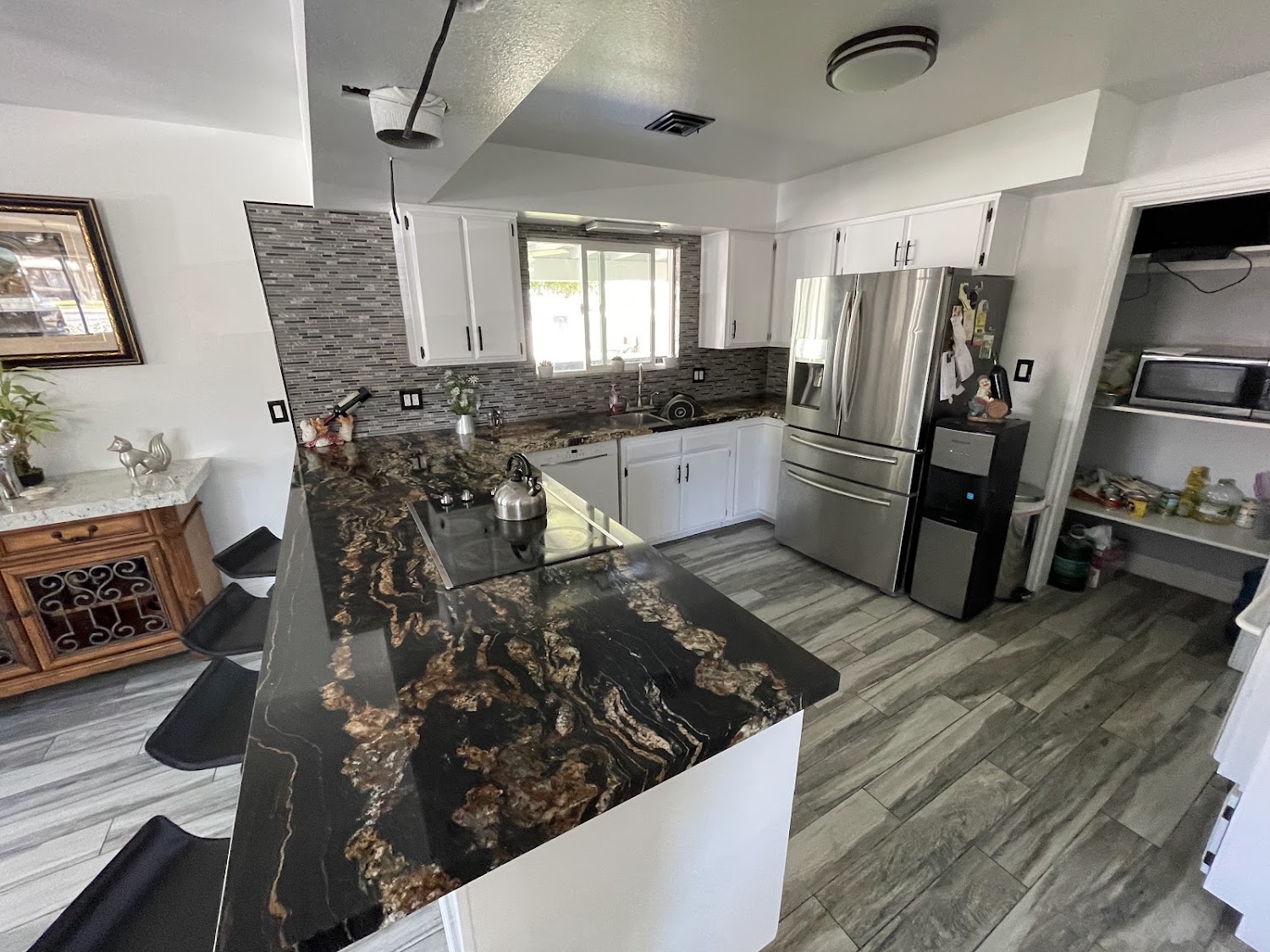
A countertop with a stain that never quite comes out, no matter how hard you scrub. A visible crack running along the edge near the sink. A color and style that made sense a decade ago but now feels out of place in an updated kitchen or bath. Countertops take on more daily wear than almost any other surface in the home, and understanding what’s behind common problems can help homeowners decide when it’s time for professional countertops installation.
In this guide, Orea Home Remodeling walks through the most common countertop problems, how to decide between a repair and a full replacement, and what to expect from a professional installation.
Why Prompt Countertop Attention Matters
A stained or chipped countertop is easy to live with, especially if it’s still functional day to day. But small countertop issues tend to compound. A crack near a seam can widen with everyday use and temperature changes. A porous, unsealed surface can absorb stains and bacteria more easily the longer it goes untreated. Addressing issues early, or planning a replacement before a surface fully deteriorates, helps homeowners avoid the more disruptive, more expensive repairs that often follow when countertop problems are left unaddressed.
Common Countertop Problems
Cracks and Chips
Cracks near sink cutouts, seams, or edges are usually caused by impact, structural stress, or a surface that wasn’t properly supported during installation. Chips along the edge or corners are typically the result of accidental impact from heavy cookware or appliances. Left alone, small cracks can widen over time with regular use.
Stains and Discoloration
Dark spots, watermarks, or discoloration are common on porous materials like natural stone that weren’t properly sealed, or on any surface exposed to acidic foods, oils, or standing water. Once a stain sets into a porous surface, it often can’t be fully removed without professional refinishing.
Dull or Etched Surfaces
A once-glossy countertop that’s lost its shine or shows etching, especially in a ring pattern from acidic spills, is a common issue on natural stone surfaces like marble. This type of surface damage is largely cosmetic but can worsen with continued exposure to the same substances.
Loose or Separating Seams
Seams that were once seamless but now show a visible gap or feel uneven to the touch usually point to adhesive that’s weakened over time or a slight shift in the cabinetry beneath. This is more common in larger installations that require multiple slabs.
Water Damage and Warping
Swelling, warping, or a soft spot near a sink or dishwasher is typically a sign of water intrusion, which is more common with laminate or wood countertops than with stone or quartz. This type of damage tends to spread if the moisture source isn’t identified and addressed.
Outdated Style or Color
Sometimes a countertop is structurally fine, but its color, edge profile, or material no longer fits an updated kitchen or bathroom design. This is less a repair issue than one of the most common reasons homeowners choose to replace countertops as part of a broader remodel.
Repair vs. Replacement: How to Decide
One of the most common questions homeowners face with countertop issues is whether a repair will do the job or whether it’s time for a full replacement. A few factors typically guide this decision:
Extent of the Damage A small chip, minor stain, or single hairline crack is often repairable, especially on natural stone and solid surface materials. Widespread staining, multiple cracks, or damage affecting the structural integrity of the slab usually calls for replacement.
Material Type Natural stone and solid surface countertops can often be professionally repaired, polished, or refinished. Laminate countertops, on the other hand, are generally more difficult to repair invisibly and are often more cost-effective to replace once damaged.
Age and Condition of the Cabinetry Beneath If the cabinets and support structure beneath the countertop are sound, replacing just the countertop is usually straightforward. If the cabinetry itself needs updating, it can make sense to plan the countertop replacement as part of that larger project.
Your Long-Term Design Goals If you’re already planning a kitchen or bathroom update, replacing an aging or outdated countertop as part of that project often delivers more value than a standalone repair.
A hands-on assessment from an experienced remodeling contractor is the best way to determine whether your specific countertop needs a repair or a full replacement.
What to Expect During a Professional Countertop Installation
1. Consultation and Design A contractor discusses your style preferences, budget, and how you use the space, then helps you select a material, color, and edge profile that fits your vision.
2. Measurement and Templating Precise measurements and templates are taken to ensure the new countertop fits your cabinetry and layout exactly, including any cutouts for sinks, cooktops, or outlets.
3. Fabrication The countertop material is cut, shaped, and finished off-site according to the exact template, a process that can take anywhere from several days to a couple of weeks depending on the material.
4. Professional Installation The team installs the countertop with careful attention to level surfaces, secure seams, and proper sealing around sinks and edges.
5. Final Inspection Once installation is complete, the countertop is reviewed to confirm a clean, level fit and a finish that’s ready for everyday use.
Preventing Future Countertop Problems
- Seal natural stone countertops periodically to protect against staining and moisture
- Use cutting boards and trivets rather than working directly on the surface
- Wipe up acidic spills, like wine or citrus juice, promptly to prevent etching or staining
- Avoid placing extremely hot pots or pans directly on laminate or solid surface countertops
- Address small chips or cracks early before they spread or worsen with continued use
How to Choose the Right Countertop Installation Company
Not every remodeling company brings the same level of precision to countertop work. When choosing a provider, consider the following:
- Accurate Measuring and Templating — A trustworthy company takes precise measurements to ensure a flawless fit, avoiding costly fabrication errors.
- Material Expertise — Experience across granite, quartz, marble, laminate, and solid surface materials helps ensure the right recommendation for your needs and budget.
- Transparent Pricing — Clear, upfront estimates before any work begins help you plan your project with confidence.
- Clean, Professional Installation — Careful handling and installation protect your cabinetry and surrounding surfaces during the process.
- Strong Local Reputation — Positive reviews and a track record of quality installations provide added confidence in the work.
Frequently Asked Questions
How much does countertop installation typically cost? Cost depends on the material chosen, the size of the space, and the complexity of the layout, including sink and cooktop cutouts. A contractor can provide an accurate estimate after an in-person consultation.
How long does countertop installation take? After templating, fabrication typically takes one to two weeks depending on the material, with the actual installation usually completed in a single day.
Can a cracked or chipped countertop be repaired instead of replaced? Often, yes, especially on natural stone or solid surface materials. Minor damage can typically be professionally repaired and polished, while more extensive damage usually calls for replacement.
What’s the most durable countertop material? Quartz and granite are among the most durable and low-maintenance options, resisting scratches, heat, and staining better than laminate or some natural stone varieties.
Do I need to replace my cabinets when I replace my countertops? Not necessarily. If your existing cabinetry is structurally sound and you’re happy with the layout, a countertop replacement can typically be done on its own.
How do I know if my countertop needs sealing? A quick water test can help: if water beads up on the surface, the seal is likely still effective, but if it soaks in and darkens the stone, it’s time to reseal.
Final Thoughts
Countertops do more than provide a work surface — they’re one of the most visible, most-used features in a kitchen or bathroom. Understanding what’s causing common problems, knowing when a repair is enough versus when replacement makes more sense, and choosing the right material for how you actually live all help homeowners get a countertop that looks great and holds up for years to come.
Whether you’re dealing with a stained or cracked surface or you’re ready to upgrade your kitchen or bathroom with a fresh new look, Orea Home Remodeling is ready to help — serving Las Vegas, Summerlin, Henderson, Boulder City, Pahrump, and the surrounding Southern Nevada area.