
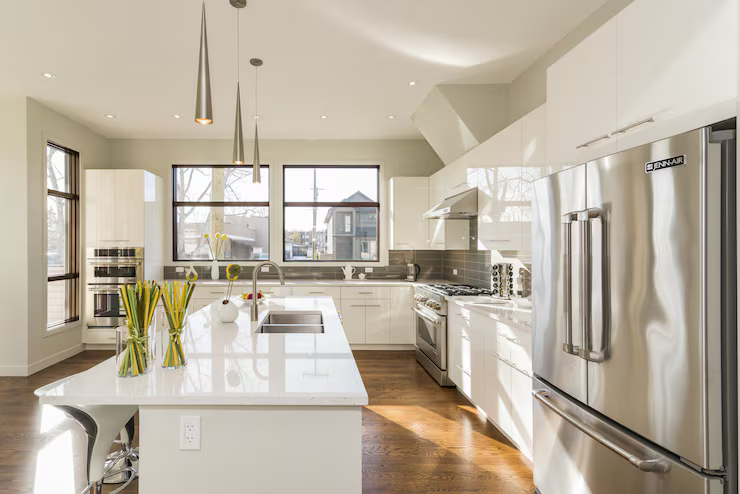
A easy-to-follow roadmap for planning, budgeting and finishing your kitchen project without the stress.
The kitchen is the busiest room in most homes. It is where we cook, talk, do homework, host friends and grab a midnight snack. So when the cabinets sag, the counters stain and the layout makes no sense, it affects your whole day.
The good news is that a kitchen remodel does not have to be confusing. With a clear plan and a few smart choices, you can turn a tired space into one that works beautifully. This guide walks you through everything in plain language, from the first idea to the final coat of paint.
Why a Fresh Kitchen Is Worth the Effort
Before spending money, it helps to know what you are getting in return. A remodeled kitchen can:
- Make cooking faster and more enjoyable
- Add real value to your home if you ever decide to sell
- Lower energy bills with modern appliances and lighting
- Fix hidden problems like leaks, old wiring or poor ventilation
- Give your family a warmer place to gather
Many people say the kitchen is the one room where improvements are felt every single day. That is a strong reason to get it right.
Start With Your Why: Setting Clear Goals
Grab a notebook and write down what bothers you most about your current kitchen. Is it the lack of storage? Dark corners? Not enough counter space? A stove that is too far from the sink?
Then write what you want instead. Maybe you want an island for family breakfasts, or a spot where kids can sit and chat while you cook. These notes become your project compass. When you are choosing between two options later, simply ask: “Does this solve my main problems?”
Money Talk: How to Build a Realistic Budget
Budgeting is not the exciting part, but it is the part that protects you from stress. Here is a simple way to divide your money:
- Cabinets and hardware: about 25–30%
- Appliances: about 15–20%
- Labor and installation: about 15–20%
- Countertops: about 10–15%
- Flooring, lighting and paint: about 10–15%
- Plumbing and electrical: about 5–10%
These are rough guides, and your numbers will vary depending on where you live and the materials you choose. The most important tip is to keep 10–15% aside as a safety fund. Once walls are opened, surprises like old pipes or damaged wood can appear. Having a cushion means a surprise is an inconvenience, not a crisis.
Picking a Layout That Actually Works
Layout is the skeleton of your kitchen. Even the prettiest finishes cannot rescue a layout that wastes steps. The most popular options are:
- Galley: Two parallel counters. Great for small spaces and very efficient.
- L-shaped: Counters along two walls. Open, flexible and good for mid-sized rooms.
- U-shaped: Counters on three sides. Plenty of storage and workspace.
- Island kitchen: Adds a central block for prep, seating or storage. Best when you have extra room.
Designers often talk about the “work triangle,” which is the path between the sink, stove and refrigerator. Keep these three points close but not crowded, and cooking feels smooth and natural.
Cabinets: The Heart of Your Storage
Cabinets take up the biggest slice of your budget and most of your visual space, so choose wisely. You have three main choices:
- Stock cabinets are ready-made, affordable and quick to get.
- Semi-custom cabinets let you adjust sizes and finishes at a moderate price.
- Custom cabinets are built to fit your room exactly, with the highest cost.
If your current cabinet boxes are still solid, you can save a lot by simply refacing them with new doors and handles. Add pull-out drawers, corner carousels and vertical dividers, and even a small kitchen suddenly holds much more.
Countertops: Beauty That Can Handle Real Life
Your countertop faces heat, spills, knives and daily wear. Each material has its own personality:
- Quartz: Tough, stain-resistant and low maintenance
- Granite: Natural beauty and strong heat resistance, but needs occasional sealing
- Marble: Gorgeous but easily stained and scratched
- Laminate: Budget-friendly with many styles
- Butcher block: Warm and natural, good for islands, needs regular oiling
If you cook often and have a busy household, quartz is usually the safest, easiest choice.
Flooring That Looks Good and Lasts
Kitchen floors need to handle water, dropped dishes and constant foot traffic. Porcelain tile, luxury vinyl plank and sealed hardwood are all popular. Tile is extremely durable but can feel hard and cold underfoot. Vinyl is softer, quieter and often more affordable. Whatever you pick, choose a finish with some grip so wet days stay safe.
Let There Be Light: Smart Kitchen Lighting
Good lighting changes everything. Think in three layers:
- General lighting: Ceiling lights that brighten the whole room
- Task lighting: Under-cabinet strips that light your work area
- Accent lighting: Pendants over an island or soft lights inside glass cabinets
Choose LED bulbs. They last for years, stay cool and cut electricity costs. Dimmer switches also help you move from bright cooking mode to relaxed dinner mode.
Appliances: Choose Smart, Not Just Shiny
Buy appliances early in the project so you know their exact sizes before cabinets are made. Look for energy-efficient models, and think about how you really cook. A big family might love a double oven, while a couple who cooks lightly may be happier with a compact setup.
Don’t forget the range hood. A good one removes smoke, steam and grease, keeping your walls and cabinets cleaner for years.
The Unseen Work: Plumbing, Electrical and Ventilation
These jobs happen behind the walls, yet they decide whether your kitchen is safe and comfortable. This is the right time to:
- Replace old or leaking pipes
- Add extra power outlets so you are never hunting for a socket
- Install dedicated circuits for heavy appliances like ovens and dishwashers
- Upgrade wiring if it is outdated
- Improve ventilation to control moisture and cooking smells
Always hire licensed professionals for plumbing and electrical work. Mistakes here can be dangerous and expensive to fix later.
Other Important Kitchen Jobs Worth Considering
A remodel is not only about big changes. Several smaller jobs can make a huge difference, and they are cheapest when done together:
- Backsplash installation: Protects walls and adds style, with tile, glass or stone
- Sink and faucet upgrade: A deep sink and a pull-down faucet make cleanup far easier
- Painting and wall repair: Fresh color instantly brightens the room
- Pantry organization: Shelves, baskets and labeled bins reduce clutter
- Window and door repair: Better windows bring in natural light and save energy
- Deep cleaning and pest control: Do this before new cabinets go in
Step-by-Step: How a Typical Remodel Unfolds
Knowing the order of work removes a lot of worry. Most projects follow this flow:
- Plan and design: Set goals, pick a layout and finalize your budget.
- Order materials: Cabinets and special items can take weeks to arrive.
- Demolition: Old cabinets, counters and flooring come out.
- Rough-in work: Plumbing, electrical and ventilation are updated.
- Walls and ceilings: Repairs, insulation and first coats of paint.
- Flooring and cabinets: The big pieces get installed.
- Countertops and backsplash: These follow once measurements are exact.
- Fixtures and appliances: Sink, lights and appliances are connected.
- Final touches: Paint touch-ups, hardware, cleaning and inspection.
Most kitchen remodels take roughly 6 to 12 weeks, depending on size and material delivery times.
Living Through the Mess: Tips for Surviving Construction
You will not have a working kitchen for a while, so prepare ahead:
- Set up a mini kitchen with a microwave, kettle and small fridge in another room
- Keep paper plates, simple snacks and easy meals ready
- Cover furniture and seal doorways to reduce dust
- Agree on working hours with your contractor
- Take photos of progress and keep all receipts in one folder
A little preparation turns a stressful period into something manageable, even a bit exciting as you watch the transformation.
Choosing the Right Contractor
Your contractor can make or break the experience. Collect at least three quotes, and compare them line by line instead of looking only at the final price. Check reviews, ask to see past projects and confirm that they are licensed and insured. Make sure everything is written in a contract: the scope of work, timeline, payment schedule and what happens if changes are needed.
Be cautious of anyone who asks for a large payment upfront or pressures you to decide quickly.
Common Mistakes You Can Easily Avoid
- Skipping the plan: Changing your mind mid-project is costly.
- Ignoring storage: Beautiful kitchens still need places for pots, pans and gadgets.
- Following only trends: Choose timeless basics and add trendy touches with paint or accessories.
- Forgetting outlets and lighting: They are hard to add after walls are closed.
- Going for the cheapest option everywhere: Spend more on items you touch daily, like cabinets, drawers and faucets.
Eco-Friendly and Budget-Friendly Ideas
You don’t need a huge budget to get a great result. Try repainting cabinets, swapping handles, replacing the faucet and adding a new backsplash. These small upgrades can make a kitchen feel brand new for a fraction of the cost.
If you care about the environment, choose water-saving taps, energy-efficient appliances, LED lighting and materials with recycled content. Donating your old cabinets and appliances instead of throwing them away also helps.
Keeping Your New Kitchen Looking New
Once the work is done, a few habits protect your investment:
- Wipe spills quickly, especially on natural stone and wood
- Use cutting boards and heat pads
- Clean the range hood filter regularly
- Check under the sink often for small leaks
- Seal grout and stone surfaces as recommended
Final Thoughts: Your Dream Kitchen Is Closer Than You Think
A kitchen remodel is a big project, but it becomes simple when you take it one step at a time. Start with clear goals, set a realistic budget, choose a layout that fits your lifestyle and hire people you trust. Pay attention to the hidden work, because good plumbing, wiring and ventilation keep everything running smoothly for years.
Most of all, remember that the best kitchen is not the most expensive one. It is the one that makes your daily life easier and brings your family together. Start planning today, and soon you could be cooking in a space you truly love.